
Temples of Paestum can be reached in about 35 minutes

Paestum is the Roman name of the former Greek colony named Poseidonia. It is today an archaeological area, among the best preserved in the entire “Magna Graecia”. The temples and museum can be reached from la Morella in about 35 minutes drive by car, or in a short train trip (15 min, from Battipaglia to Paestum Station). In a full-day car tour, the visit to Paestum can be combined with a visit to the medieval villages and the coastline of the area of Castellabate or with other sites inside the Cilento National Park.

Agriturismo near Paestum
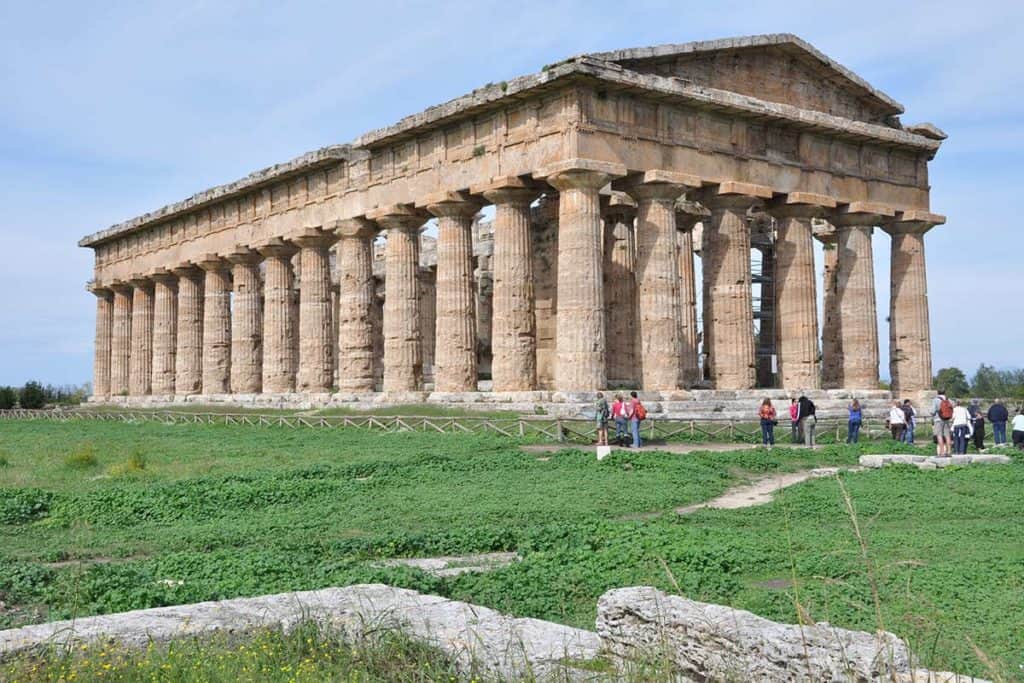
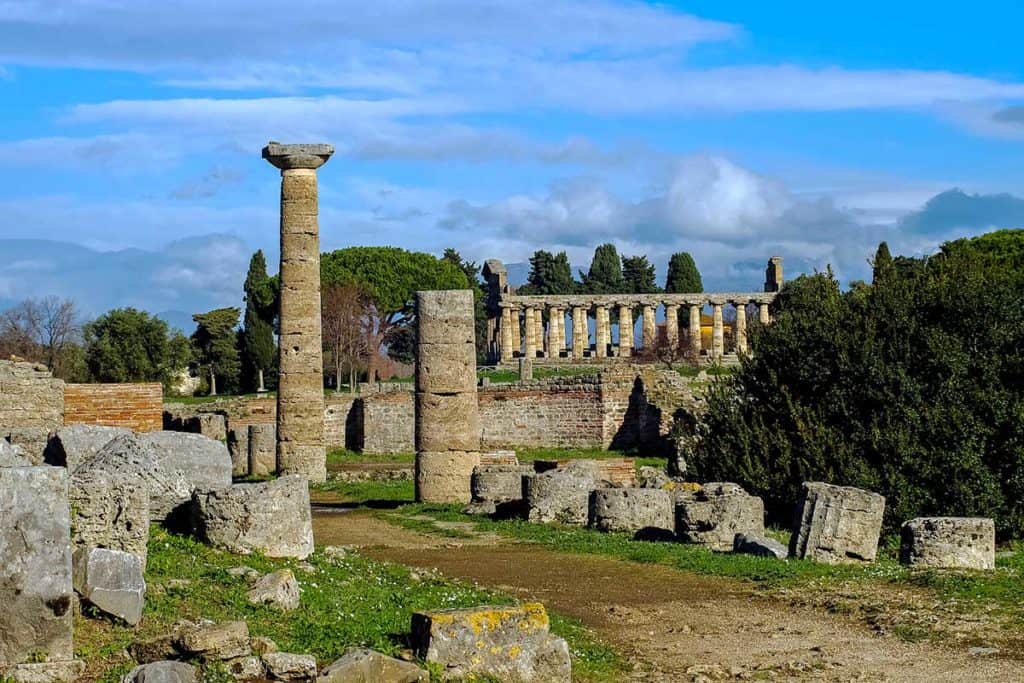
Paestum was in previous centuries a mandatory stop of the so-called Grand Tour, as witnessed by Goethe who described it as “the most splendid vision, which I take with me northwards”. The fame of this site abroad, today, is largely inferior to its beauty. The temples rise – unlike the much more famous Pompeii and Herculaneum ruins – in a wonderful natural and peaceful environment. The temples are among the most beautiful and best preserved examples of Greek architecture. The highlights of the Paestum archaeological area are the so-called Neptune temple, and the Archaeological museum, containing masterpieces of Greek, Lucanian and Roman art. A magnificent example of archaeological finds from the surroundings is given by the frescoes of the so-called Tomb of the Diver. We selected for you this website to get some extra pictures and information about Paestum.


